China Tightens Silver Export Controls
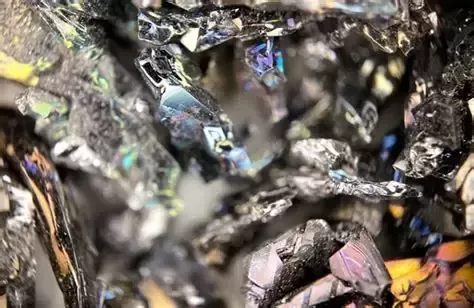
Global supply chains are bracing for significant disruption as Beijing begins enforcing tighter export protocols on silver this Thursday. The move creates new hurdles for industries ranging from electric vehicle manufacturing to defense contracting, impacting a metal previously considered a standard commodity.
High-profile industry figures have already voiced concerns regarding the shift. Elon Musk took to social media to highlight the potential fallout, emphasizing that silver is an essential component across a vast array of industrial applications. While the implementation begins now, the regulatory framework was initially outlined by China's Commerce Ministry in October, coinciding with diplomatic talks between Chinese leadership and U.S. officials in South Korea. At that time, agreements were made regarding rare earth pauses and tariff adjustments, setting the stage for the current policy landscape.
Elevating Silver to a Strategic Asset
Under the newly enforced measures, silver is no longer treated merely as a precious metal for investment or jewelry. According to industry reports, Beijing has effectively reclassified it as a strategic resource, placing it under the same rigorous export oversight as rare earth elements.
The government has released a designated roster of 44 entities authorized to export silver throughout 2026 and 2027. This regulatory tightening is part of a broader strategy that also limits the outflow of other critical materials, specifically:
- Tungsten: Vital for heavy machinery and defense projectiles.
- Antimony: Used extensively in flame retardants and battery technologies.
These materials are heavily concentrated within China's industrial ecosystem, giving the nation substantial leverage over the global technology sector.
Global Reliance and Supply Chain Vulnerabilities
The international community has reacted swiftly to the looming scarcity. In November, the United States officially added silver to its list of critical minerals, acknowledging its indispensable role in:
- Advanced electrical circuitry
- Next-generation battery production
- Solar energy cells
- Medical equipment requiring anti-bacterial properties
Data indicates that China remains a dominant force in the market, having exported over 4,600 tons of the metal in the first eleven months of the year, compared to a mere 220 tons of imports. European businesses are also feeling the pressure, with surveys indicating that a majority of EU-based companies in China anticipate or have already experienced disruptions due to these export controls.
Market Panic and Skyrocketing Premiums
The tightening of supply has triggered aggressive buying behavior across the globe. Mining executives have reported receiving unsolicited offers from Chinese and Indian buyers willing to pay significant premiums above the standard market rate to secure physical inventory.
Recent reports confirm that manufacturers and trading firms are offering up to $10 per ounce above spot prices to bypass traditional supply bottlenecks. This scramble for physical assets underscores the severity of the shortage fears.
The Macroeconomic Shift
Beyond industrial demand, the surge in silver prices reflects a broader macroeconomic trend where investors are diversifying away from fiat currencies. Economic analysts suggest that the rally in precious metals serves as a caution light for the U.S. economy.
The financial landscape in 2025 has been characterized by several key trends:
Currency Depreciation: The U.S. dollar index has dropped by nearly 9.5%, marking its weakest performance in years.
Precious Metals Rally: Silver prices have more than doubled, aiming for their best annual performance since 1979. Gold has similarly surged, gaining over 60% year-to-date.
Crypto Volatility: Bitcoin, often touted as "digital gold," has not mirrored the precious metal rally, trading lower for the year.
As spot prices fluctuate near record highs—briefly piercing the $80 mark before retreating—the combination of geopolitical friction and monetary instability suggests that volatility in the strategic metals market will persist well into the future.