Trump Narrows Fed Chair Choices, Powell's Future Unclear
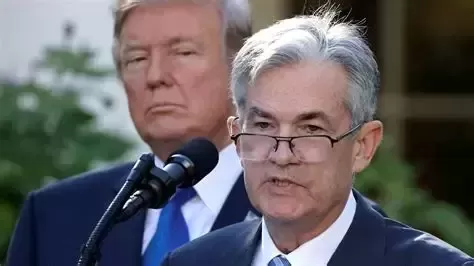
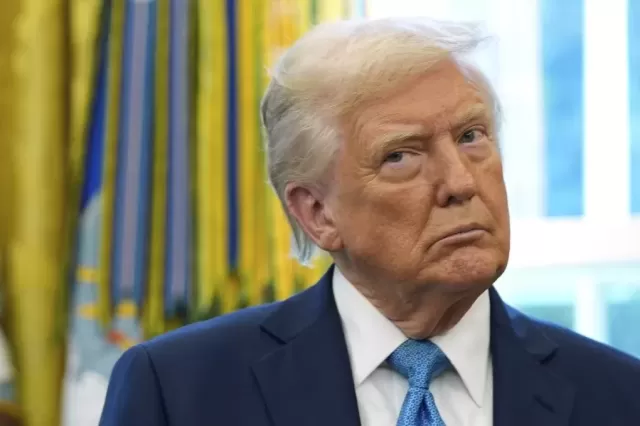
President Donald Trump has signaled that the search for the next leader of the Federal Reserve is reaching its final stage. During a recent media appearance at the World Economic Forum in Davos, Switzerland, the president indicated that a selection process that initially evaluated 11 potential experts has been narrowed down to a single preferred individual. While he stopped short of announcing the specific name, the disclosure marks a pivotal moment for the future of American monetary policy and the central bank's leadership.
The Shortlist of Final Candidates
The selection process, which launched in September, has been a subject of intense speculation across global markets. The finalists represent a diverse mix of institutional veterans, academic economists, and high-level investors. Financial observers have identified the primary contenders as follows:
- Kevin Warsh, a former member of the Federal Reserve Board of Governors.
- Christopher Waller, who currently serves as a Fed Governor.
- Rick Rieder, the fixed income lead at BlackRock, who was the final person to be interviewed.
The president described the interview with Rieder as particularly noteworthy and expressed high regard for the talent level of all the remaining finalists.
Key Officials Staying in Current Roles
The search also clarified the positions of several high-ranking administration figures. Despite initial speculation that they might be considered for the chairmanship, some top economic advisors are expected to remain in their current capacities.
Trump noted that Kevin Hassett will likely continue his work at the National Economic Council. Additionally, Treasury Secretary Scott Bessent, who played a central role in managing the interview process, has indicated a preference for staying in his current cabinet position. This clarification helps define the structure of the economic team as the administration prepares for a change at the Fed.
Institutional Friction and Legal Oversight
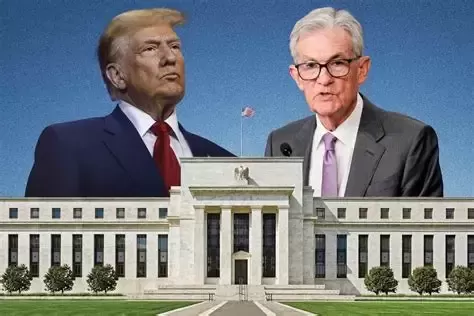
The transition comes during a period of significant tension between the White House and the current central bank leadership. Throughout 2025, the administration has increased its scrutiny of the Fed, leading to a series of public disagreements regarding policy and presidential authority. This friction recently culminated in a Supreme Court hearing centered on the president's ability to remove sitting governors from their positions.
Furthermore, the administration has turned its attention toward the internal operations of the Federal Reserve. Specifically, the president has criticized a massive renovation project at the institution's headquarters, which has seen costs rise above $2.5 billion. The Justice Department has issued a subpoena related to this project, and Trump has publicly stated that the expenditures were excessive compared to private sector standards.
The Future of the Current Chairmanship
As the administration prepares to name a successor, questions remain regarding Jerome Powell's future. While his time as chair is nearing its end, he still has two years remaining on his term as a Fed governor. Remaining in that role would allow Powell to continue influencing interest rate decisions and serve as a stabilizing force within the institution.
The president appeared indifferent toward Powell's potential decision to stay on the board, though he suggested that a continued tenure might be challenging for the outgoing chair. The upcoming appointment is expected to be a cornerstone of the administration's broader economic strategy, aiming to align the central bank more closely with the president's fiscal objectives.