"Love Island USA" Cast Faces Online Bullying: A Dark Side of Reality TV Fandom
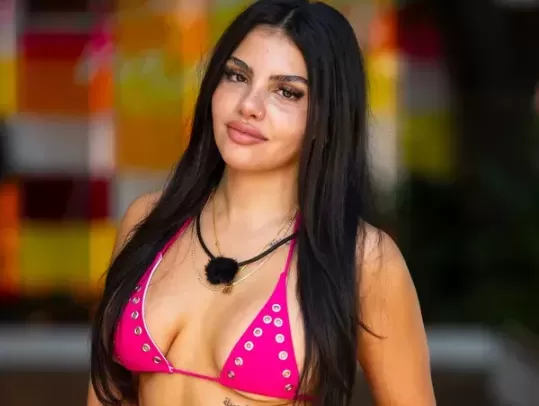
Host Ariana Madix, known for her sharp wit on "Love Island USA," delivered a powerful plea for kindness during the show's recent "Aftersun" episode. Addressing escalating online attacks targeting Season 7 contestants, Madix urged viewers to reconsider their actions. "Don't be going on islanders' pages and saying rude things," she stated firmly. She specifically encouraged fans to delete negative posts immediately, highlighting the unique vulnerability of the cast who remain isolated without access to their phones or social media during filming.
This call comes as the latest episodes fueled intense viewer reactions. While featuring celebrity appearances and dramatic twists, the season has been marred by a wave of cyberbullying, primarily directed at islander Huda. Following a public vote that split her couple with Jeremiah, the 24-year-old mother faced significant backlash, with some comments cruelly targeting her family life. Other contestants, including Casa Amor arrival Vanna, have also endured harsh criticism, including speculation and mocking about personal appearance, which many viewers have condemned as blatant bullying.
Fans Push Back Against the Hate
Amidst the negativity, a growing contingent of viewers is actively defending the islanders. Social media platforms reveal heartfelt support, with fans expressing distress over the malicious content. Comments like, "Dude I cry for Huda... the sick memes of her daughter broke me. The internet is cruel always," reflect a pushback against the toxicity. Similarly, criticism of Vanna's appearance prompted others to label it accurately: "y'all are BULLIES." This division underscores the show's intense impact on its audience.
Why Reality TV Sparks Such Strong Reactions
Media experts point to the very nature of reality programming to explain these extreme reactions. "Because reality TV is meant to be authentic and unfiltered, it's much easier for people who watch it regularly to connect with these characters and start to invest in them," explains media psychologist Pamela Rutledge. This connection often evolves into parasocial relationships – a perceived bond or "illusion of friendship" with the contestants. Such intense investment can sometimes curdle into hostility when viewers feel personally affronted by contestants' actions or storylines.
Trauma and relationship therapist Jordan Pickell emphasizes the real-world damage caused by online attacks. "Even though contestants don't know the commenters personally, the relentless and pointed attacks can feel very personal," Pickell notes. "Human brains aren't equipped to distinguish between real-life risks to safety and online attacks." This vulnerability is amplified once contestants leave the villa and face the onslaught directly.
The High-Stakes Environment and Its Aftermath
The "Love Island" format creates a uniquely pressurized environment. Contestants are isolated from their support systems, constantly filmed, and navigating artificial romantic stakes purely for entertainment. "These are real people, many of whom likely carry their own trauma histories, now navigating an intense and highly controlled environment for other people's entertainment," Pickell adds. This setting can trigger old wounds and push individuals into roles, like the perceived "villain," that distort their natural behavior. Huda's tearful question after the public vote – "Does America hate me?" – starkly illustrates this internalization.
When filming ends, the challenge intensifies. Islanders must reconcile their televised persona with their real identity while suddenly confronting massive online attention – much of it potentially negative. "Contestants may have signed up for the show, but they didn't sign up for the trauma and harassment that can follow them home," Pickell stresses. The tragic suicides of past "Love Island" franchise participants and presenter Caroline Flack serve as devastating reminders of the potential consequences, even if multiple factors are always involved.
The show itself recently reinforced Madix's message. A statement displayed before an episode declared: "The keyword in Love Island is… love. We love our fans. We love our islanders. We don't love cyberbullying, harassment or hate." This stance, echoed by mental health professionals and a growing segment of the audience, highlights the critical need for empathy and responsible online behavior towards reality TV participants.