Mindy & BJ: The Enduring Romance That Never Was
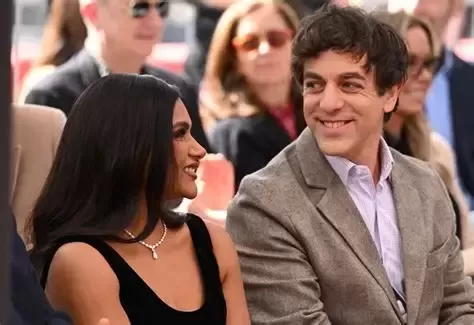
The recent news of BJ Novak and Delaney Rowe's relationship has sparked significant online conversation, largely fueled by a decades-long public fascination with Novak's dynamic with Mindy Kaling. While the age difference between Novak (45) and Rowe (29) is a point of discussion, the real engine behind the buzz is the enduring, collective narrative of a real-life romance between Novak and Kaling.
The Enduring "Mindy and BJ" Fantasy
For years, the public has envisioned Novak and Kaling as the ultimate "will they, won't they" couple, a modern-day Carrie and Big. Despite no concrete evidence of a romantic entanglement beyond a brief period in the early 2000s, this narrative persists. It often positions Kaling as the one still nursing a torch for her ex-turned-best friend, and Novak as the one who keeps her at arm's length, forever holding a candle for her as "the one that got away." It's a story that resonates, even with those who don't actively root for their romantic reunion.
Tropes That Keep Us Hooked
This collective delusion taps into timeless romantic archetypes. Firstly, there's the beloved "friends-to-lovers" trope, where two best friends are undeniably perfect for each other but are too blind (or stubborn) to see it. This is a staple of romantic comedies, a trope Kaling herself playfully explored on The Mindy Project, even casting Novak in a guest role that mirrored this dynamic.
Beyond that, their real-life trajectory has also leaned into another potent trope: the "ill-fated lovers." This is the story of twin flames whose connection was too intense for the world, destined to burn out and leave them pining for each other amidst more practical partnerships. Think of Cathy and Heathcliff's destructive passion in Wuthering Heights or Carrie Bradshaw's interpretation of her relationship with Mr. Big as a love too grand to be realized, comparing it to the classic doomed romance of Katie and Hubbell in The Way We Were.
The Allure of Unresolved Potential
Why do we find these narratives so compelling? Like Carrie, we often want to believe that our own romantic disappointments occurred because the connection was simply too profound, too perfect. We cling to the idea that the one who got away was truly "the one," and that they secretly feel the same.
This offers a unique comfort: for the recently heartbroken, it's a way to romanticize past pain. For everyone else, it generates an intoxicating tension. The inherent drama in any romantic story lies in the question of whether the leads will end up together. Once that question is definitively answered, the narrative tension dissipates. But by keeping them perpetually just out of reach, the story remains alive, fueled by the perpetual possibility of reunion. The preservation of romantic potential, it seems, is often more captivating than its ultimate fulfillment.
Situationships as Real-Life Manifestations
This fascination with unresolved romantic potential extends beyond fictional narratives and into our own lives, particularly in the context of situationships. These relationships, often characterized by an avoidance of labels and commitment, act as a mechanism for suspending that potent, unresolved romantic tension. As previously explored, situationships are about more than just avoidance; they are about preservation. They safeguard the romance and the exhilarating "will they, won't they" dynamic, preventing it from devolving into the mundane realities of everyday life – something that can lead to heartbreak or, worse, a fading of feelings. Staying in a situationship is, in essence, living indefinitely "for the hope of it all," to borrow from Taylor Swift.
We gravitate towards the "almost-love" narrative of Mindy and BJ because it reflects our own desires. We want to believe that our greatest romantic highs can be preserved in this ethereal state, that perhaps by not having something, we are keeping its magic alive. It's a comforting delusion, and as Hemingway suggested, sometimes it's simply "pretty to think so."