
The Science of Love: How Cupid's Arrow Affects Body & Mind
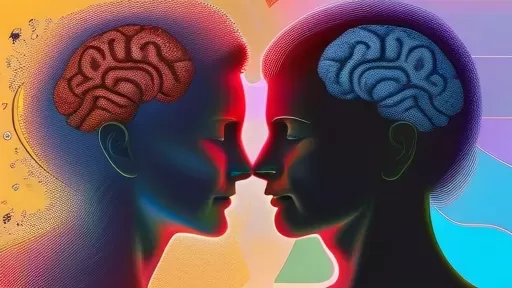
Love, a many-splendored thing, is often described using dramatic, physical metaphors. We say it's a drug, a battlefield, or that it leaves us breathless. But beyond the poetry, love truly has a tangible effect on our bodies, influencing our well-being from head to toe. It's a complex interplay of hormones, brain activity, and even our immune systems. So, buckle up as we delve into the fascinating ways love rewires us.
Love: A Whole-Brain Affair
Forget the notion that love resides solely in the heart. Brain scans reveal that passionate love activates multiple areas, some of which are linked to feelings of euphoria, similar to the effects of certain drugs. These areas are associated with processing emotions, cognition, and attention. Intriguingly, love deactivates brain regions linked to anxiety, fear, and grief. These findings suggest that understanding the brain chemistry of love could lead to innovative ways to alleviate heartache when relationships end.
Love as a Natural Pain Reliever
Love can act as a potent painkiller. Studies show that the brain areas activated by romantic feelings overlap with those affected by pain-relieving medications. Research participants experiencing mild pain reported significantly lower levels when looking at pictures of their beloved. The brain's reward system, linked to motivation and addiction, also lights up. However, a tumultuous relationship can amplify pain, highlighting the delicate balance of love's effects.
Love's Distracting Embrace
Ever found yourself struggling to concentrate when you're head-over-heels? It's not your imagination. Intense romantic feelings can impair cognitive focus. Researchers found that individuals primed with romantic thoughts performed worse on tasks requiring concentration. This effect is likely more pronounced in the early stages of passionate love when the brain is hyper-focused on the object of affection. For long-term relationships, cognitive control becomes crucial for maintaining a healthy balance.
The Eyes Never Lie
The eyes can reveal hidden feelings, including whether someone is harboring romantic love. Studies using eye-tracking technology show that individuals experiencing romantic love focus more on faces, while those feeling sexual desire tend to fixate on bodies. This pattern holds true for both men and women.
Long-Term Love and Heart Health
Marriage appears to offer cardiovascular benefits. Studies indicate that married individuals have a lower risk of heart attack and better outcomes if one occurs. This may be due to increased social support, healthier habits, and quicker access to medical care. Of course, pre-existing health conditions could influence marriage prospects as well.
Feeling the Heat of Passion
The phrase "having the hots for someone" has a basis in reality. Research shows that feelings of love can trigger measurable increases in skin temperature, particularly in the face. Images of loved ones can cause blood vessels to dilate, bringing warm blood to the skin's surface.
Love's Hormonal Cocktail
Falling in love unleashes a cascade of hormones and neurochemicals. Dopamine floods the brain, creating feelings of euphoria and reinforcing the desire for more. Adrenaline and norepinephrine cause a rapid heartbeat and sweaty palms. Serotonin levels drop, making it difficult to think about anything but the budding romance. As relationships progress, oxytocin and vasopressin promote attachment, security, and well-being. Oxytocin may even play a role in promoting monogamy.
The Rhythm of Connection
Physical touch, like holding hands, can synchronize heartbeats and breathing rates between couples. This "interpersonal synchronization" is heightened during stressful situations, offering pain relief and a sense of connection. Skin-to-skin contact may activate the brain's reward system, reducing pain and promoting feelings of comfort.
The Scent of Serenity and Sleep
While early-stage romance might disrupt sleep, long-term love promotes relaxation and restful slumber. The scent of a romantic partner can even improve sleep efficiency. Sleeping with a partner's T-shirt on the pillow can have a similar effect to taking a melatonin supplement. Furthermore, the scent of a loved one can reduce stress and lower cortisol levels during challenging situations.
Love and Creative Sparks
Love can stimulate creativity. It promotes global thinking, allowing the brain to make connections between seemingly unrelated concepts. Studies show that individuals primed with thoughts of love perform better on creative problem-solving tasks. In contrast, thoughts of sex tend to enhance analytical thinking while stifling creativity.
Love and the Immune System
Falling in love can trigger the immune system in women. Research shows that women who fall in love experience an increase in the activity of genes that activate the immune system's defense against viruses. This response may be related to preparing for pregnancy or protecting against viruses spread through close contact.
The Blood Pressure-Marriage Connection
A happy marriage is associated with lower blood pressure. Studies show that blood pressure tends to drop during the night for married individuals, while it often remains elevated in single individuals. However, an unhappy marriage can lead to higher blood pressure than being single.
The Overall Health Benefits of a Happy Marriage
Happily married individuals tend to be healthier overall. A supportive and satisfying relationship provides emotional closeness and acts as a buffer against stress. Spouses in happy marriages encourage healthy habits, monitor each other's health, and provide support, which contributes to overall well-being.
Evolutionary Roots of Romance
Romantic love serves several reproductive purposes. It helps individuals learn about potential mates, promotes pair-bonding and fidelity, and can even increase fertility and encourage parenting behaviors. However, modern challenges to love may stem from an "evolutionary mismatch." We encounter more potential partners than our ancestors, leading to more frequent cycles of falling in and out of love. Fortunately, technology can help us maintain connections and nurture romance even when separated by distance.